 (Image via
We’ve all been there: standing in the makeup aisle, staring at twenty different bottles that look close to our skin tone but aren't quite right. You swipe a tester on your hand, hope for the best, and inevitably end up with a shade that looks orange in the daylight. This universal struggle is finally meeting its match thanks to major upgrades in beauty technology. Shade-matching tech isn't just a gimmick anymore; it is completely reshaping how we shop for makeup. From artificial intelligence that scans your face to foundations that adjust upon contact with your skin, the days of guessing are quickly fading away. Let's dive into how these innovations work and why they matter for your makeup bag.
The Old Way vs. The New Tech
We have all been there. You buy a foundation that looks perfect in the store lighting, only to get home and realize it is two shades too dark. For years, finding the right shade felt like a guessing game. You basically had to rely on a salesperson's opinion or your own best judgment under harsh fluorescent lights. It was frustrating, expensive, and often resulted in a drawer full of barely-used products.
Technology is stepping in to fix this broken system. Instead of relying on guesswork, brands are using data and science to find your perfect match. This shift is huge because it puts the power back in your hands. You don't need to be a makeup artist to find a product that looks natural. The technology does the heavy lifting for you, analyzing your skin tone, undertones, and even skin concerns to recommend products that will actually work. It creates a bridge between the product and the person, ensuring that what you buy is what you actually need.
Artificial Intelligence is Your New Beauty Guru
One of the biggest game-changers right now is the use of Artificial Intelligence (AI) and Augmented Reality (AR). You might have seen "virtual try-on" features on websites, but the tech behind them has gotten much smarter.
Companies like Arbelle are leading this charge with AI-powered Shade Finders. These tools don't just overlay a color on your selfie. They analyze your skin tone deeply to provide a recommendation that is scientifically accurate. According to recent reports, tools like Arbelle's Shade Finder are delivering over 90% consumer satisfaction. That is a massive jump from the hit-or-miss experience of buying online in the past. By analyzing thousands of skin tones, these AI systems learn to recognize subtle differences that the human eye might miss.
This isn't just about cool filters. It's about trust. When you buy a product online, you want to know it will look good in real life. AI helps build that trust by giving you a realistic preview. It creates a "try before you buy" experience without you ever leaving your couch. For brands, this means fewer returns and happier customers. For you, it means less money wasted on products that don't fit.
Color-Adaptive Makeup: The Magic of Changing Hues
While AI helps you find the right bottle, another technology is changing what is inside the bottle itself. It is called color-adaptive technology, and it feels a bit like magic.
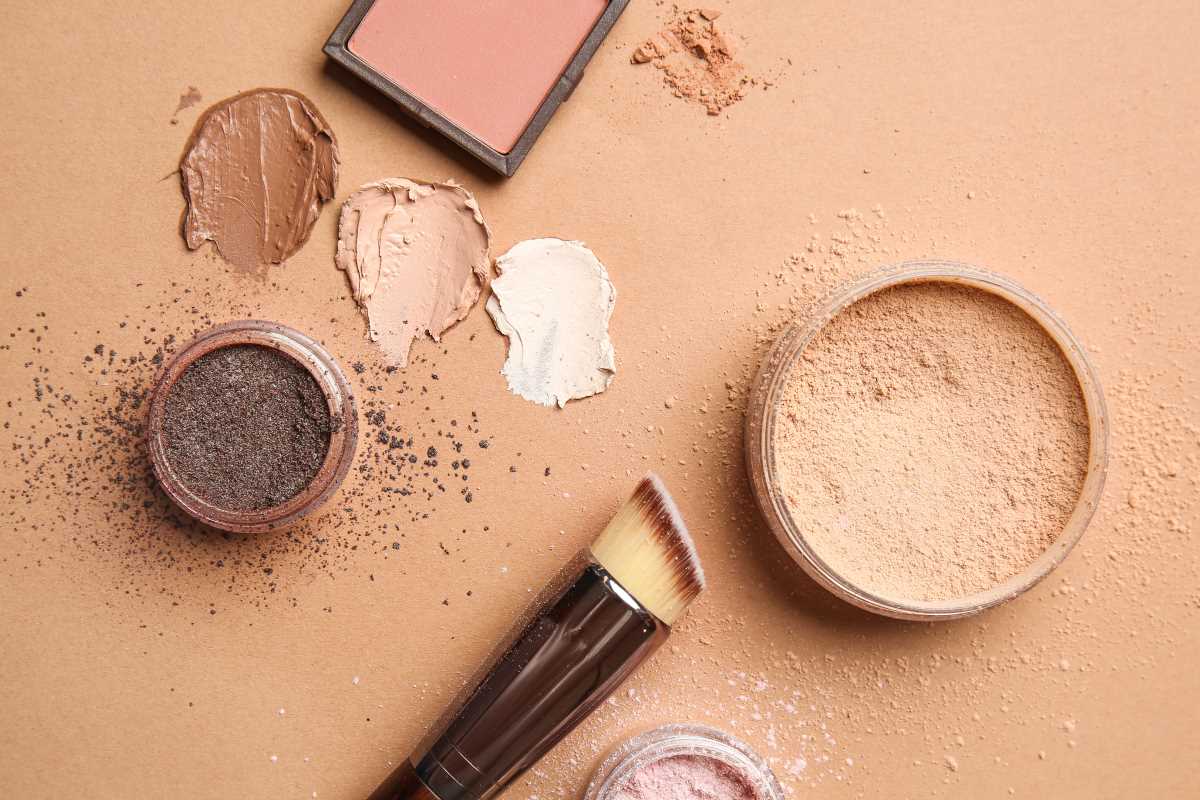
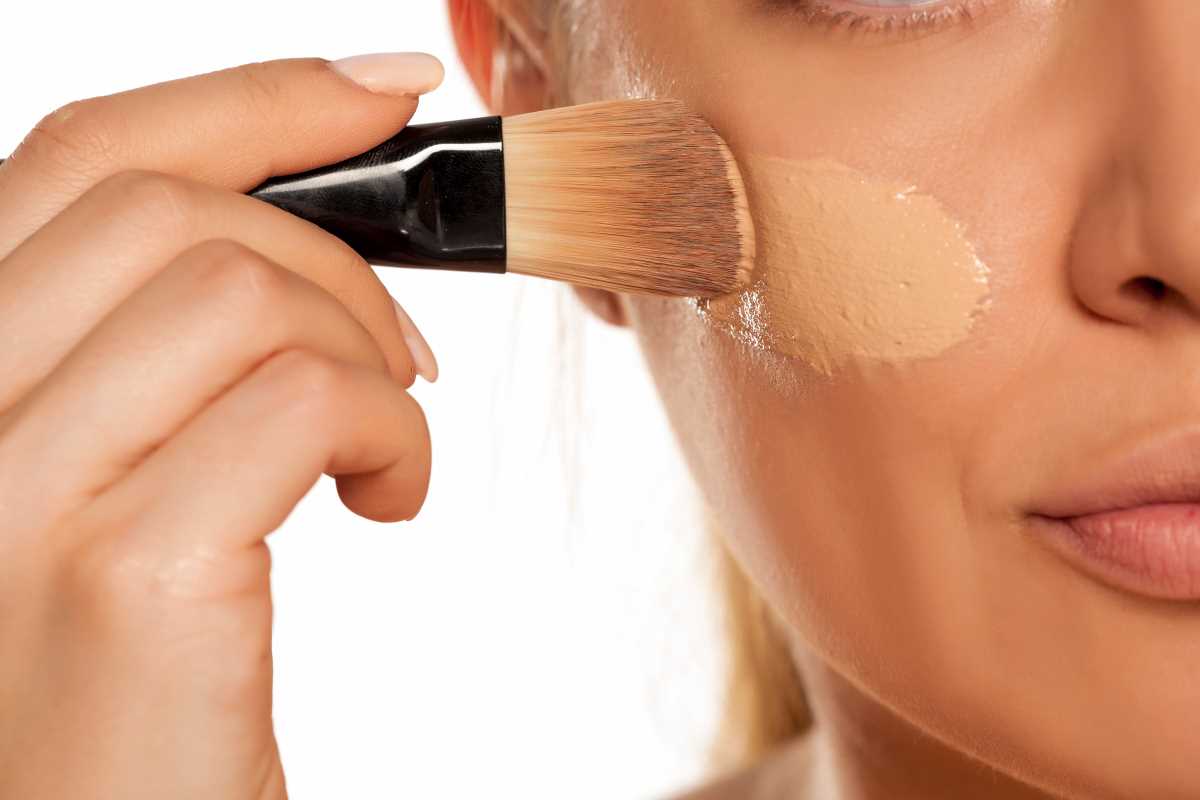
These are products—like foundations, balms, and tints—that actually change color when you apply them. They use special ingredients like micro-encapsulated pigments. Think of these as tiny, microscopic bubbles of color. When you rub the product onto your skin, these bubbles burst and blend to match your specific skin tone. Other formulas use pH-sensitive dyes that react to your skin's acidity to create a custom shade, or temperature-reactive formulas that adjust based on warmth.
This tech is a massive relief for anyone who struggles to find their exact shade match. Instead of hunting for "Sand Beige" versus "Warm Sand," you just grab a product that covers a range of tones. It simplifies the shopping process immensely. You don't need to worry if you are slightly more tan in the summer or paler in the winter; the makeup adjusts with you. This "skinimalism" trend focuses on doing more with less, reducing the number of products you need to own.
Why Inclusivity is Driving Innovation
Technology is great, but it needs to work for everyone. Historically, the beauty industry hasn't always been great at serving people with darker skin tones. A lot of older shade-matching tools were trained on limited data, meaning they worked well for light skin but failed miserably for deep complexions.
The new wave of tech is tackling this head-on. Brands are realizing that true personalization means including everyone. Cosnova, a major European beauty company, trained their AI shade finder using diverse consumer panels with a specific focus on people of color. This wasn't just a PR move; it was about making sure the tool actually worked. The result? A system that can accurately match a much wider spectrum of skin tones.
This push for inclusivity is defining beauty trends for 2026 and beyond. Spate's Future of Beauty report highlights that inclusive beauty brands are growing 1.5 times faster than their competitors. It turns out that when you build technology that actually serves your entire customer base, business booms. Consumers are demanding products that see them, and technology is finally catching up to that demand.
Beyond Just Color: Tech That Knows Your Skin
Shade matching is just the tip of the iceberg. The industry is moving toward "neurocosmetics" and biology-based beauty. This sounds super sci-fi, but it is basically about how your brain and skin talk to each other.
Research from companies like Givaudan Active Beauty shows that aging isn't just about wrinkles; it's about your skin's sensory neurons. As we age, our skin becomes less responsive. New cosmetic technologies are looking at ingredients that boost these sensory connections. So, in the future, your foundation might not just match your color; it might actually help your skin "feel" younger and healthier.
We are also seeing a rise in "dermocosmetics," which blends dermatology with cosmetics. People want products that look good but also improve their skin health. Tech allows brands to create multifunctional products—like a foundation that offers coverage, matches your shade perfectly, and contains active ingredients to fight acne or hydration issues. It is the ultimate multitasking approach to beauty.
How to Make This Tech Work for You
All this technology sounds great, but how do you actually use it to find your holy grail product? Here are a few ways to navigate this new landscape:
Don't Be Afraid of the Scanner
Next time a website asks to access your camera for a shade match, give it a shot. Ensure you are in natural lighting (face a window!) for the best results. These tools have improved drastically and are often more accurate than eyeing a color swatch on a screen.
Look for "Adaptive" Keywords
When shopping, keep an eye out for words like "color-adaptive," "pH-reactive," or "universal tint." These products are designed to be forgiving and flexible. They are great for days when you want light coverage without the hassle of heavy foundation.
Check the Reviews for Photos
Even with great tech, seeing is believing. Look for user reviews that include photos. Many modern review platforms allow users to filter by skin tone. Find someone who looks like you and see how the shade match worked for them.
Demand Inclusivity
Support brands that are transparent about their technology and testing. If a brand talks about their AI, check if they mention diversity in their testing panels. Your dollars vote for the kind of beauty industry you want to see.